Shopping Brickell condos and comparing the monthly HOA line? That number matters, but it is only part of your true carrying cost. The other piece is how a building plans and pays for big repairs, which can show up as special assessments. If you want clarity before you buy, you’re in the right place. This guide explains HOA fees versus special assessments in Brickell, how reserves work, and exactly what to review so you can compare buildings with confidence. Let’s dive in.
HOA fees vs special assessments
Regular HOA assessments are the recurring dues you pay monthly or quarterly. They fund the association’s operating budget, which covers day-to-day costs like common-area utilities, janitorial and security, landscaping, property management, insurance for common elements, on-site staffing, and contributions to reserves.
Special assessments are non-recurring charges added on top of your regular dues. Associations levy them to pay for big-ticket repairs, capital projects, insurance deductibles after a storm, or other expenses not covered by the operating budget and reserves. They may be due in a lump sum or in installments.
Reserves are funds set aside for predictable major repairs and replacements such as roof work, elevator modernization, or façade and terrace repairs. A reserve study estimates useful life and replacement costs for building systems and recommends annual funding to reduce the chance of large special assessments later.
Florida rules you should know
Florida condominiums operate under the Florida Condominium Act, commonly cited as Chapter 718. Associations have the authority to levy regular and special assessments in line with their governing documents. Those documents set procedures for notice, voting, and timing.
At resale, buyers are entitled to association documents and financial disclosures. You will typically receive an estoppel or resale certificate that confirms assessment amounts, balances due, and any pending or approved special assessments.
After the 2021 Surfside collapse, state and local attention on building safety increased. In Miami-Dade, inspection and recertification requirements can trigger engineering studies and capital projects, which may affect both dues and the likelihood of special assessments in the near term.
What HOA fees usually cover in Brickell
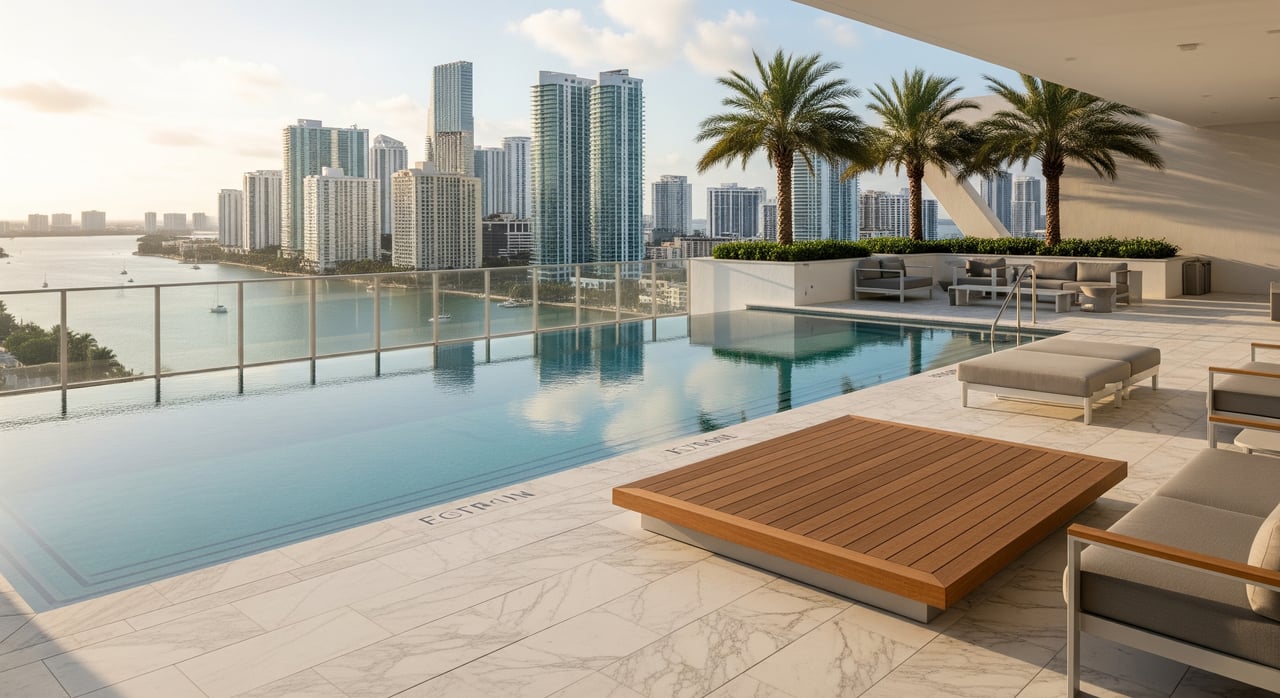
Brickell high-rises tend to be amenity-rich and staff-heavy. Your monthly dues commonly fund:
- Utilities paid by the association, such as water and sometimes cable or internet
- Janitorial, security, valet support, concierge, front desk and maintenance staff
- Property management fees and routine repairs
- Landscaping, pool service, and amenity upkeep
- Insurance for common elements
- Reserve contributions for future capital needs
Always confirm what is included in each building. A fee that looks higher on paper may include services you would otherwise pay separately.
When special assessments happen
Special assessments typically arise when costs exceed what the operating budget and reserves can cover. Common triggers in Brickell include:
- Exterior concrete and waterproofing repairs, balcony and façade remediation
- Elevator modernization, central mechanical system replacements, roof or garage work
- Amenity refurbishments like pool decks, spas, and fitness centers
- Wind or flood-related expenses and large insurance deductibles after a storm
- Inspection or recertification findings that accelerate structural or systems work
Associations can also borrow to fund projects, repaying loans through increased dues. The choice between a one-time assessment and a long-term increase depends on governing documents and owner approval thresholds.
Why reserves matter to your bottom line
Well-funded reserves spread major costs over time, which reduces the need for large special assessments. Underfunded reserves raise the probability that you will be asked for more money later.
When you review a building, look for a recent reserve study, the current reserve balance, and whether the board has been funding reserves at recommended levels. Brickell towers face salt-air corrosion and complex vertical systems, which can increase the scale and frequency of capital work compared with inland properties. Older buildings may carry more deferred maintenance risk, while newer towers may have lower short-term needs but higher amenity operating costs.
How to compare Brickell buildings
Normalize your analysis and focus on risk, not just the sticker price of dues:
- Compare dues per square foot and confirm what is included, such as cable, internet, water, parking, valet, and staffing.
- Review reserve funding and the date of the last reserve study. Higher reserves per unit or per square foot often indicate lower special assessment risk.
- Look at the history of increases and the frequency of special assessments over 3 to 5 years.
- Evaluate insurance coverage and deductibles. Large deductibles can become special assessments after a claim.
- Check building age and recent capital work. New elevators, recent façade projects, or major mechanical replacements can reduce near-term risk.
- Consider amenity and staffing intensity. Higher service levels can raise dues, but may deliver value if you use them.
Buyer checklist: documents to review
Request these items before you waive contingencies. Ask for current documents and 2 to 3 prior years where available.
Budget and operating financials
- Current year operating budget and prior-year comparison
- Profit and loss statements for the last 2 to 3 years
- Balance sheet showing operating and reserve cash balances
- Actual versus budget variances and trends
Reserve information
- Most recent reserve study and its recommended annual contribution
- Current reserve balance and contribution history
- Reserve funding policy and whether funding can be waived
Assessments and collections
- Regular assessment schedule, amounts, and inclusions
- Assessment increase history for 3 to 5 years
- Any pending or planned special assessments
- Delinquency rate and total unpaid assessments
Capital projects and maintenance
- Capital work completed in the last 5 to 10 years and how it was funded
- Pending or planned projects with engineering reports
- Permit, warranty, and vendor contract records
Insurance coverage
- Master policy declarations, limits, and sublimits
- Wind and property deductibles and how deductibles are handled after claims
- Flood insurance status for the association and owner HO-6 requirements
Legal and governance
- Pending litigation and potential exposure
- Board meeting minutes for the last 12 months
- Any code violations or citations
- Historic special assessment votes and outcomes
Occupancy and rentals
- Owner-occupancy versus investor ratios
- Rental and short-term rental policies
Administrative items
- Management agreement terms and fees
- Estoppel or resale certificate fees and turnaround time
- Declaration, bylaws, rules, and recent amendments
Questions to ask before you write the offer
Use these to fill in gaps and test for future risk:
- What exactly does the monthly assessment include, and are there separate fees for parking or valet?
- When was the last reserve study, and what annual contribution does it recommend?
- What is the current reserve balance, and has the board funded reserves at the recommended level?
- Which capital projects are pending, what is the estimated cost, and how will they be funded?
- Are there any pending lawsuits or judgments that could affect finances?
- What are the wind and property insurance deductibles, and how are deductibles assessed to owners after a claim?
- What is the current delinquency rate for assessments?
- How much have assessments increased in the last 3 to 5 years, and why?
Plan your true monthly and long-term cost
To build a clear picture, follow a simple process:
- Start with the monthly assessment and list what it includes. Note any services you would otherwise pay out of pocket.
- Add known separate building charges such as parking, storage, cable, or internet if not included.
- Identify any approved special assessments and amortize them over the payment period to estimate a monthly impact.
- Review the reserve study and capital plan to anticipate near-term projects that could change dues.
- Consider insurance deductibles and the building’s claims history when evaluating potential out-of-pocket risk after storms.
- Compare two or three buildings side by side using per-square-foot figures and a notes column for reserves, deductibles, and capital work status.
Brickell-specific cost drivers to keep in view
- High-rise complexity increases the cost of elevator modernization, central mechanical replacements, and garage repairs.
- Coastal exposure can accelerate concrete and metal corrosion, raising the frequency and scale of exterior repairs.
- Amenity-rich towers with concierge, valet, and spa-level facilities have higher staffing and maintenance costs.
- The insurance market and storm seasons can influence premiums and deductibles. After claims, deductibles may be passed through as assessments.
- Inspection and recertification cycles can accelerate repair timelines and cost.
- Older inventory can carry deferred maintenance risk, while new towers may have lower near-term capital needs but higher operating expenses tied to amenities.
How we help you evaluate a Brickell condo
You deserve more than a surface-level comparison. Our team pairs negotiation expertise with in-house design and development insight to help you review building financials, read reserve studies, and stress-test the likely range of future costs. We coordinate documents early, ask the right questions, and position your offer with clear contingencies when appropriate.
If you are weighing two or three towers, we can create a side-by-side assessment that normalizes dues, reserves, deductibles, and capital plans so you see the full picture before you decide. Ready to navigate Brickell with a clear strategy? Connect with Jessica Adams Luxury Real Estate to start a focused, concierge-level search.
FAQs
What is the difference between HOA fees and special assessments in Brickell?
- HOA fees are recurring dues for operations and reserves, while special assessments are one-time or short-term charges to cover costs that exceed the budget and reserves.
Are special assessments common in Miami high-rises?
- They occur when big repairs, insurance deductibles, or capital projects outpace reserves, which can be more likely in coastal, amenity-rich towers with complex systems.
How do reserves lower my risk of future assessments?
- Well-funded reserves spread major repair costs over time, which reduces the chance and size of special assessments for owners.
Do I get disclosure of pending assessments before closing?
- At resale, you should receive association documents and an estoppel or resale certificate that discloses assessment amounts, balances due, and pending assessments.
Can the association borrow instead of levying a large assessment?
- Yes, many associations can take loans for capital work and repay them through increased dues, subject to governing documents and required approvals.
How do Miami-Dade inspections affect my costs as an owner?
- Inspection and recertification findings can lead to engineering work and repairs that may increase dues or require special assessments.