Camp Biscayne Real Estate Guide to Waterfront Living
Neighborhoods Jason Adams March 5, 2026
Neighborhoods Jason Adams March 5, 2026
If you crave a true waterfront hideaway in Coconut Grove, Camp Biscayne may be the one enclave that still feels secret. Tucked beside The Barnacle and shaded by banyans and oaks, it pairs Old Florida character with present-day privacy. In this guide, you will learn what makes the neighborhood special, how lots and bay access vary, and the practical steps to evaluate a rare listing with confidence. Let’s dive in.
Camp Biscayne began in 1903 as a nature-focused winter resort created by Ralph Middleton Munroe, an architect and yachtsman who also built his nearby home, The Barnacle. The original resort had a Main Lodge and simple cottages that welcomed sailing and fishing guests while preserving the native hammock. You can explore the period context in the University of Miami’s archival exhibit on Camp Biscayne and the Munroe family papers and learn more about Munroe’s life and legacy in his biography. Over time, the resort area transitioned into today’s gated residential enclave while keeping its historic character and dense canopy.
You enter Camp Biscayne from Main Highway via Munroe Drive, steps from Coconut Grove’s village core and adjacent to The Barnacle Historic State Park. Internal streets include Banyan Circle, Munroe Drive, Wildwood Drive and Main Lodge Drive. The setting is central yet quiet, which is part of why homes are rarely available. The scale is very low density, and privacy is a defining feature.
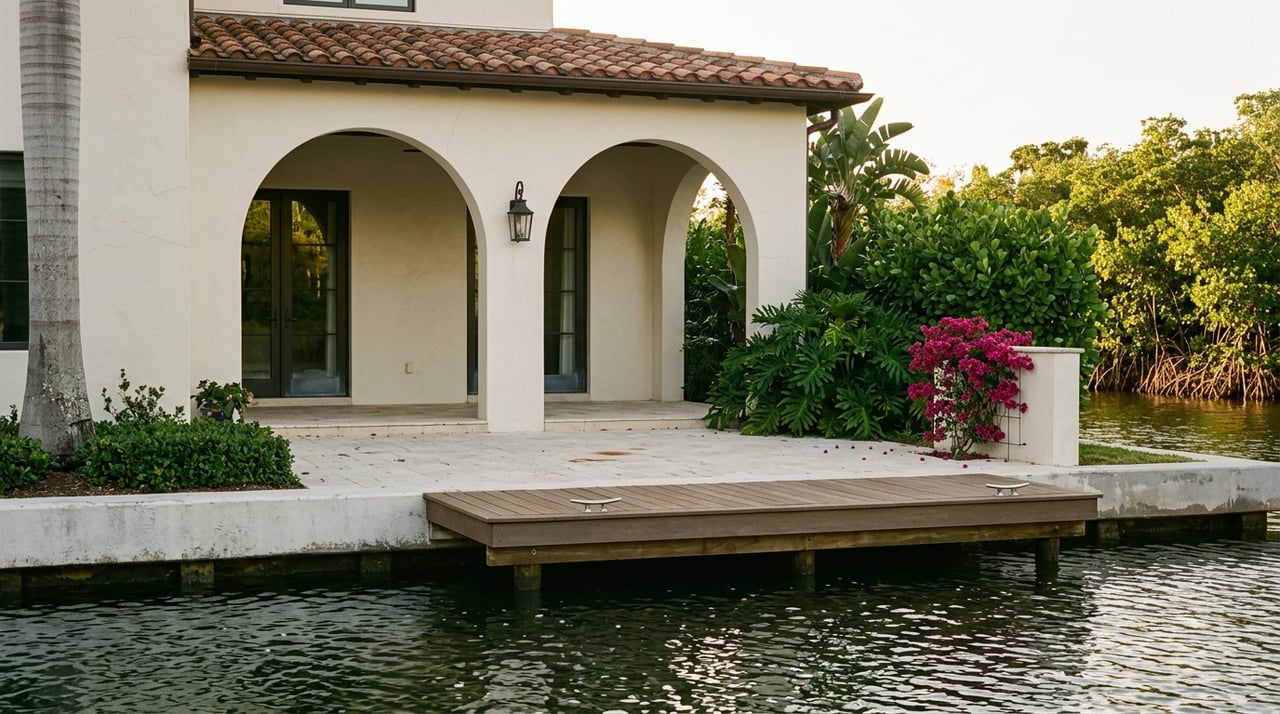
Camp Biscayne offers a wide range of lot sizes. Several interior parcels are in the 14,000 to 19,000 square foot range. Others are considerably larger, including estate-scale bayfront sites of about an acre. Not every home is on the water. Some properties are dry lots with garden privacy or filtered bay views, while select parcels enjoy direct frontage, existing seawalls, and private docks.
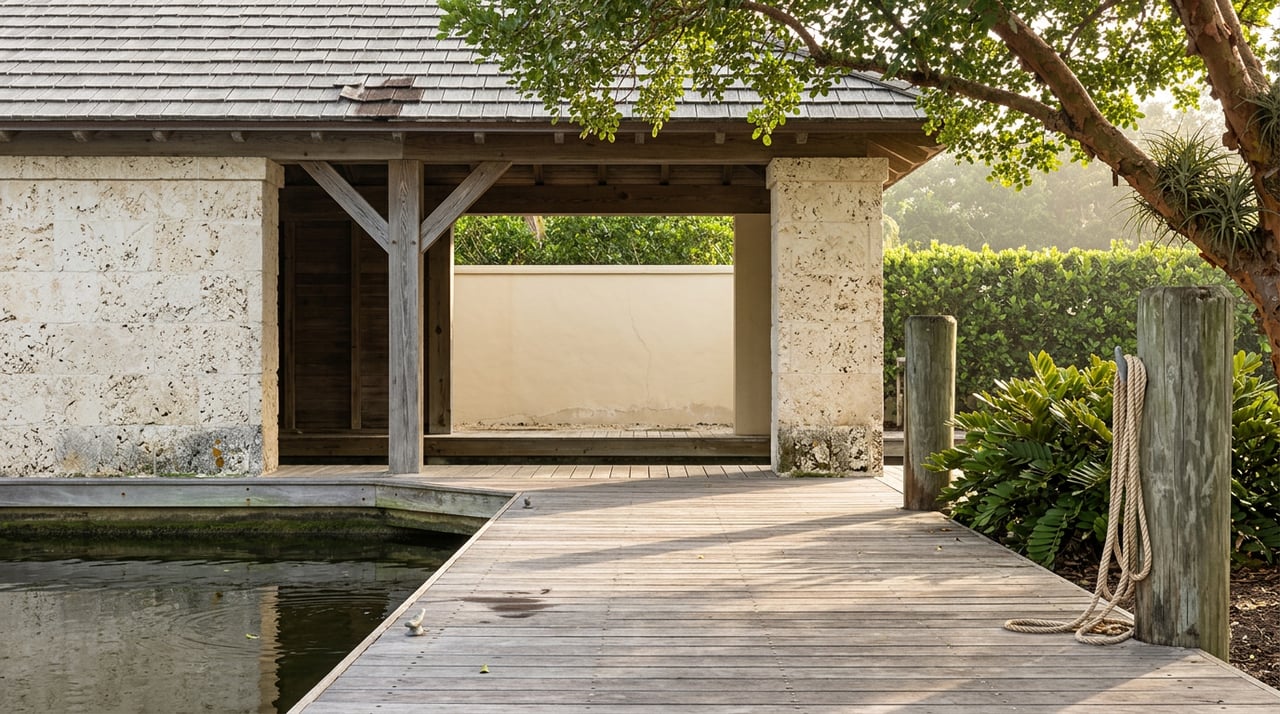
If you are evaluating a waterfront home, confirm recorded dock and seawall rights and the current permit status for any marine structures. Many single-family dock projects in Florida follow the U.S. Army Corps of Engineers’ State Programmatic General Permit, which sets size and design limits. Reviewing the SPGP guidance for private docks can help you anticipate what is feasible on a given lot.
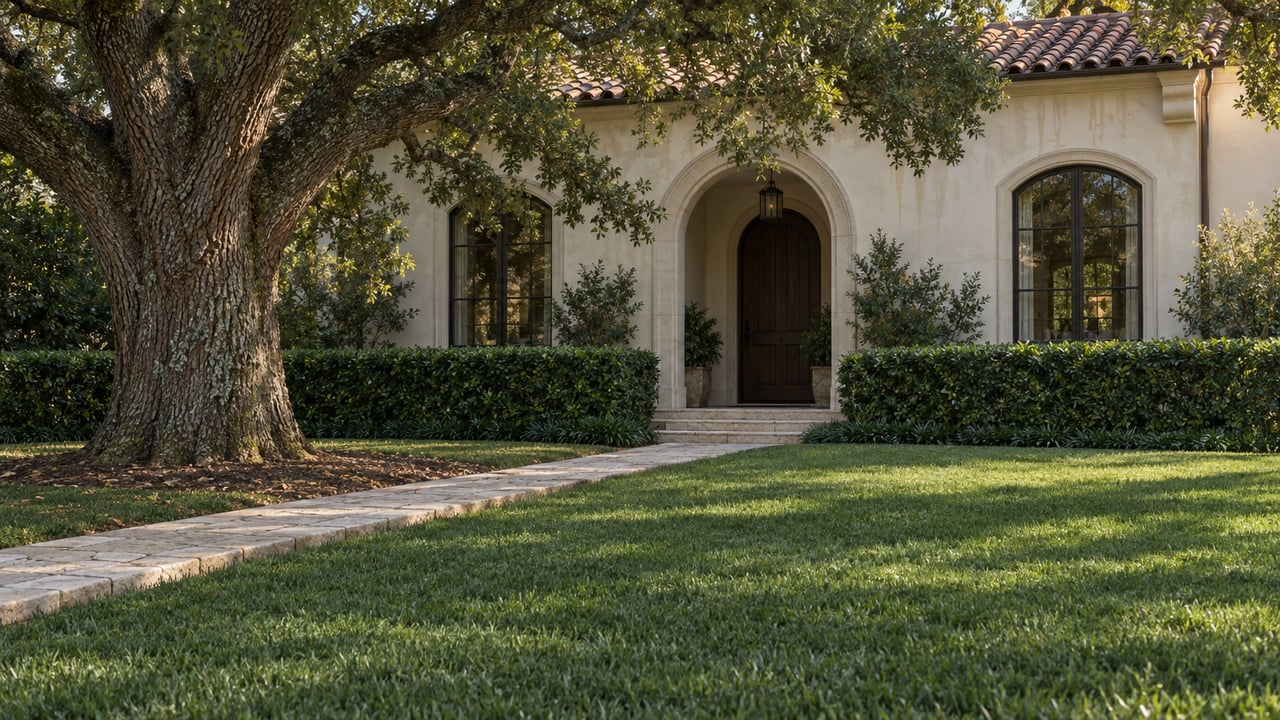
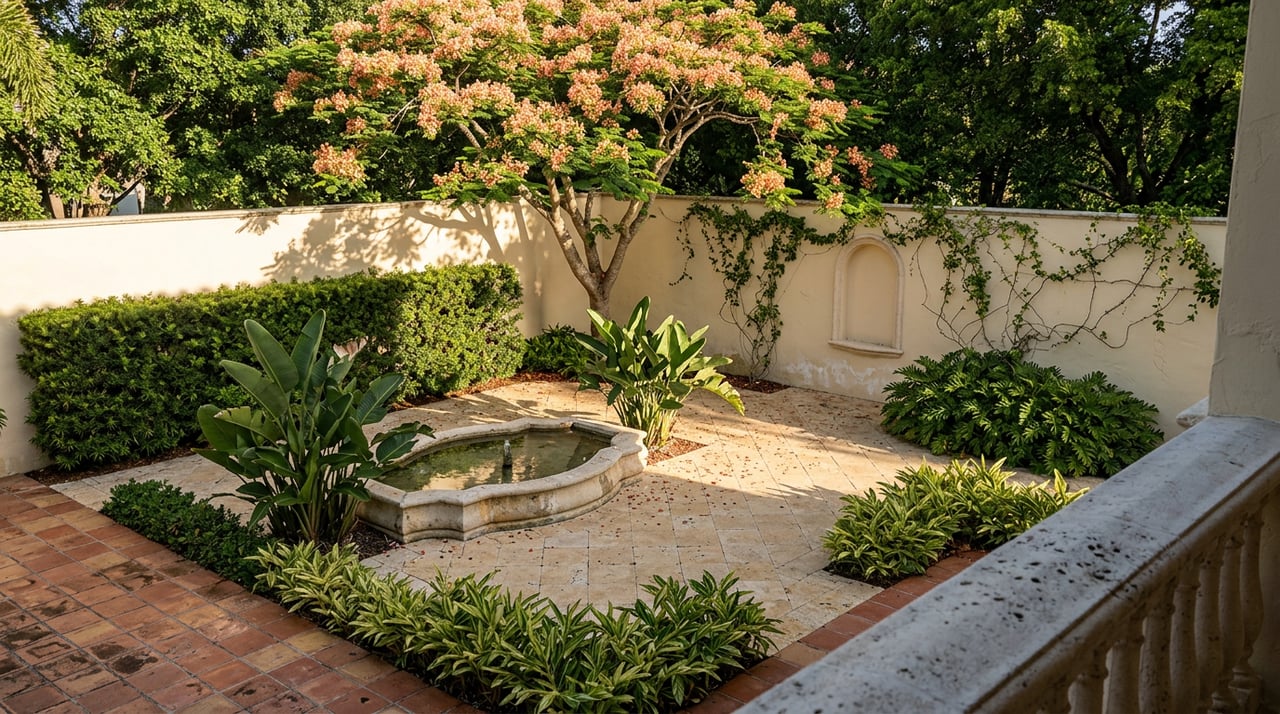
You will see a blend of historic cottages, Mediterranean and Spanish Revival villas, 1980s and 1990s concrete block construction, and contemporary tropical homes. Because the enclave values privacy, many designs center on courtyards and lush gardens with limited street exposure. On larger bayfront parcels, some buyers choose a teardown and build elevated new construction to meet current flood and building codes. Local reporting has highlighted how costly comprehensive flood-proofing can be on the bay, which is why early due diligence is essential. For context, see this coverage of a significant Biscayne Bay project and its elevation work on NBC 6 South Florida.
Before you write an offer in Camp Biscayne, organize a focused review:
Dock, lift, and seawall work typically requires approvals from multiple agencies that can include Miami-Dade County environmental regulators, the Florida DEP, and the U.S. Army Corps of Engineers. The Corps’ SPGP framework governs many single-family docks and sets design thresholds. Miami-Dade has also updated its seawall permitting process, which can impact sequencing and timelines. You can review the county’s notice on recent reforms here. Depending on seafloor conditions, mangroves, and proximity to channels, expect a process that can run from several months to more than a year.
Parcels along Biscayne Bay are often mapped within FEMA Special Flood Hazard Areas. Your specific flood zone and the Base Flood Elevation influence both insurance costs and what it takes to remodel or build. Request the property’s Elevation Certificate if available and consult the Miami-Dade Property Appraiser for parcel identification before you order updated surveys and elevation data. Factoring these items in early will save time and surprises during inspections.
Historic, heavily treed, extremely low density, and a blend of bayfront and interior lots within walking distance of the Grove village.
A nearby gated South Grove enclave with quick bay access, a community feel, and a number of homes that front water or canals. Lots are often in the 10,000 to 27,000 square foot range.
A very private, small-number gated enclave with deeded dock spaces and larger lots in places. Many parcels offer no-bridge access to Biscayne Bay and turnover is minimal.
If you prioritize a historic setting and intimate scale under a dense canopy, Camp Biscayne stands out. If guaranteed deepwater dockage and more standardized waterfront geometry are top priorities, The Moorings or Hughes Cove may fit better. Touring each area will clarify which tradeoffs matter most to you.
Listings inside Camp Biscayne are scarce and attract high-net-worth buyers who value privacy and design potential. Price is driven by lot size, waterfront utility, and the ability to renovate or rebuild to current standards. It is not unusual for a large bayfront estate to command a significant premium. Some buyers assemble adjacent parcels to create a larger footprint, which requires careful title and plat research and early conversations with city and county planning under the NCD rules.
In Camp Biscayne, success comes from preparation. You want a negotiator who understands scarcity pricing and a design-minded partner who can visualize what is possible under Coconut Grove’s NCDs and waterfront regulations. Our boutique team blends frontline dealmaking with in-house architectural and development insight, so you can evaluate docks, seawalls, elevation, and tree constraints with clarity. If you are selling, our editorial storytelling and cinematic marketing position unique assets to the right global audience while preserving your privacy.
Ready to explore a rare opportunity in Camp Biscayne or another Grove enclave? Connect with Jessica Adams Luxury Real Estate to get a focused plan for your search or sale.
We've got more to share with you.
October 8, 2026
September 17, 2026
September 10, 2026
October 1, 2026
September 3, 2026
August 20, 2026
A New Home Changes Everything.