Design Upgrades That Maximize Resale In Ponce Davis Estates
May 21, 2026
May 21, 2026
Thinking about updating your Ponce-Davis estate before a sale? The right design choices can sharpen first impressions, improve how your home lives day to day, and support stronger resale positioning in a market where selective upgrades matter. In a neighborhood shaped by large lots, estate zoning, and design-conscious buyers, the goal is not to do everything. It is to do the right things well. Let’s dive in.
Ponce-Davis is an unincorporated Miami-Dade enclave surrounded largely by Coral Gables and South Miami, which means county rules and permits often matter more than city-specific standards. For many homes, especially those in the EU-1 estate district, design decisions need to fit within one-acre estate parameters, customary accessory uses, and limits on lot coverage and setbacks.
That context is important because resale value here is often created through quality, coherence, and functionality, not simply by adding as much square footage as possible. In an estate setting, buyers tend to respond to a home that feels intentional from the front entry to the backyard terrace.
The broader Miami-Dade market also supports smart pre-listing preparation. In April 2026, $1 million-and-up single-family sales rose 19.83% year over year, single-family inventory fell 14.55%, and homes sold at a median 95% of original list price. With about 5.4 months of single-family inventory, the county remained in seller’s market territory.
When resale is the priority, visible and functional improvements usually deliver the best balance of impact and discipline. National remodeling data points to a clear pattern: practical upgrades to the exterior envelope, entry sequence, and core living areas tend to outperform large, expensive additions on recoup value.
The 2024 Cost vs. Value report found especially strong recovery for garage door replacement, steel entry door replacement, and manufactured stone veneer. By contrast, upscale kitchen remodels and upscale primary suite additions recovered far less on average, which is a useful reminder that bigger budgets do not always mean better resale math.
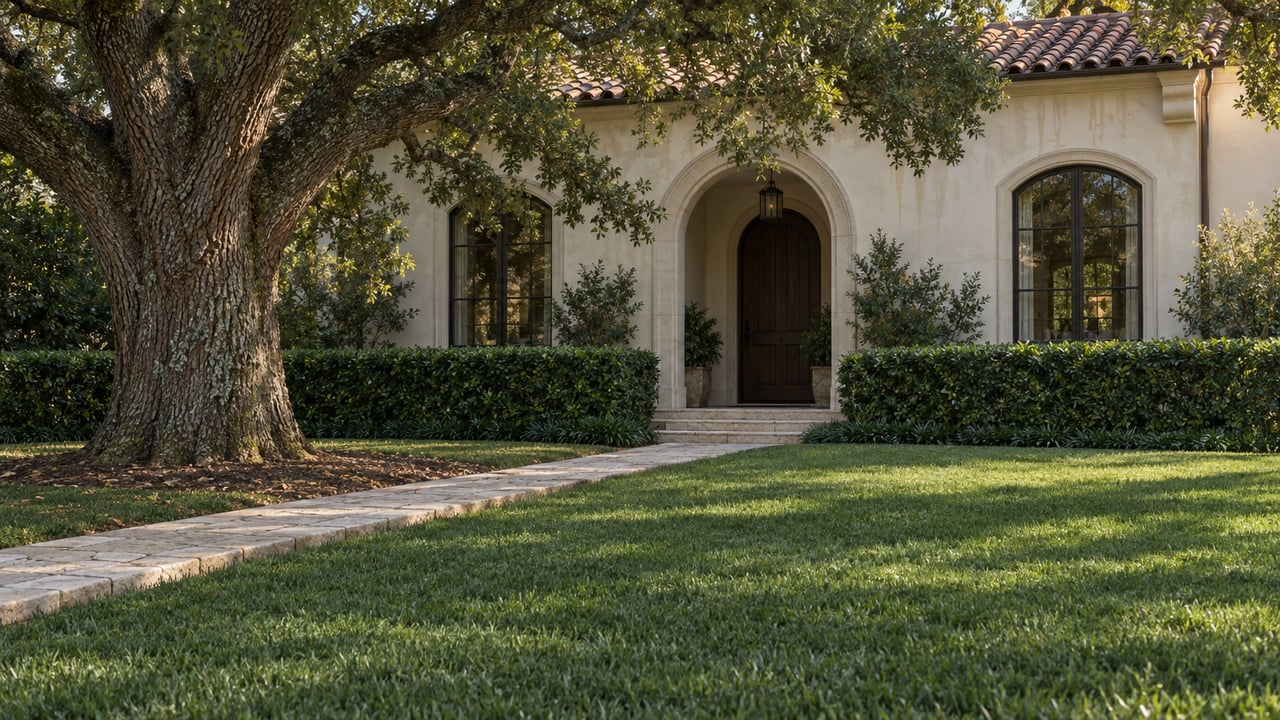
In a neighborhood like Ponce-Davis, curb appeal sets the tone before a buyer walks through the door. Houzz research shows that many exterior projects now center on front-of-home aesthetics, with common upgrades including front doors, windows, lighting, wall surfaces, and landscaping.
That makes sense in an estate market where buyers often notice silhouette, entry sequence, and nighttime presence immediately. A refined front elevation, clean exterior finishes, and well-planned lighting can make the property feel cared for and current without changing its core architecture.
The front door is one of the simplest places to create a visible return. Remodeling and Realtor reporting both point to entry door upgrades as a category with strong recovery and buyer appeal.
If your current entry feels dated, heavy, or visually disconnected from the home, a thoughtful replacement can refresh the whole facade. In Ponce-Davis, the best results usually come from an entry that feels substantial, quiet, and architecturally consistent with the house.
A whole-home paint refresh is one of the most commonly recommended pre-listing projects. It can unify older repairs, brighten the home’s presentation, and help landscaping and architectural details read more clearly in photos and in person.
Exterior wall surfaces also matter. Houzz found that 58% of homeowners doing exterior work updated wall surfaces, which supports a strategy of correcting worn finishes, dated textures, or patchwork repairs before bringing a property to market.
One of the most valuable upgrades in a luxury home is better flow. The American Institute of Architects’ 2024 Home Design Trends Survey found rising interest in larger or multiple living spaces, flexible floor plans, and easier accessibility throughout the home.
For Ponce-Davis estates, that often means reworking circulation and sightlines rather than pursuing a major addition. If rooms feel cut off, oversized but underused, or unclear in purpose, a measured reconfiguration may do more for resale than adding a dramatic new wing.
Buyers tend to respond well when a home has clear, generous spaces for everyday living and entertaining. You may not need more rooms. You may need better relationships between the kitchen, family room, formal living spaces, and outdoor areas.
Removing a wall, widening an opening, or redefining room use can make the house feel more current and more natural to live in. In unincorporated Miami-Dade, interior work such as knocking down a wall or changing electrical, plumbing, or mechanical systems generally requires permits, so planning matters.
Kitchens remain important to buyers, and NAR reported rising demand for kitchen upgrades. Still, the resale data suggests restraint is wise. A minor kitchen remodel recovered far more than a major or upscale kitchen remodel in the 2024 Cost vs. Value findings.
That usually points toward selective changes such as improved layout, updated finishes, better lighting, refined cabinetry work, or more cohesive materials. In a luxury estate, buyers often reward kitchens that feel timeless and functional more than kitchens that feel overly personalized or aggressively expensive.
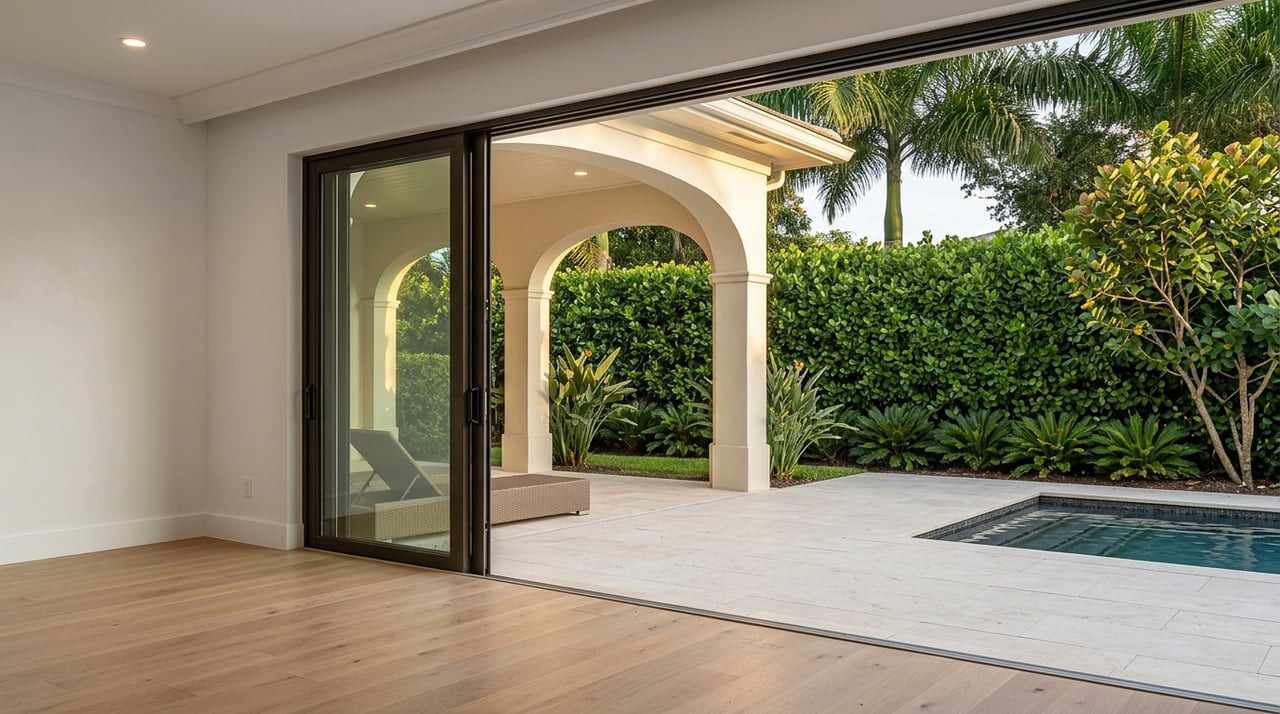
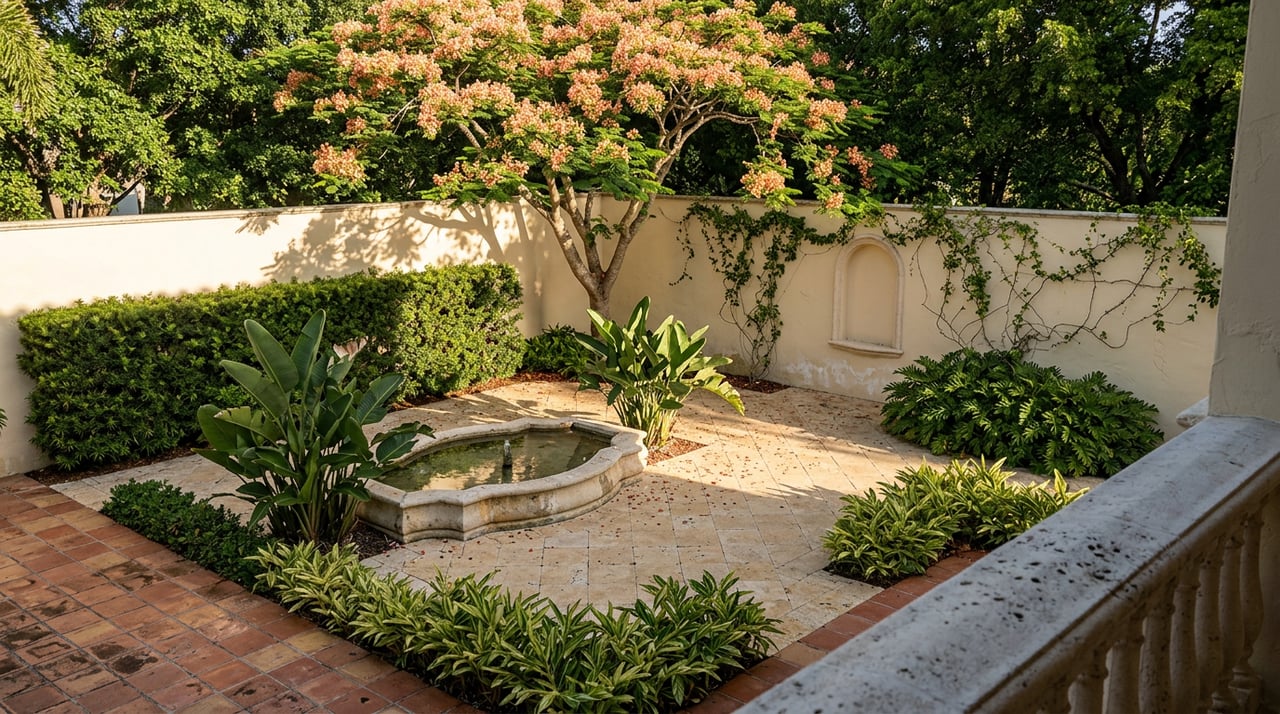
In South Florida, outdoor living is not a bonus. It is part of the way buyers experience the home. The AIA survey found continued demand for outdoor living spaces, covered outdoor spaces, and blended indoor-outdoor environments.
In Ponce-Davis, that trend aligns naturally with estate-scale lots and customary accessory uses allowed in the zoning framework. The strongest upgrades often make the lot feel curated and livable, not crowded.
A covered terrace can increase how often buyers imagine using the outdoor areas. It also helps connect the house to the pool, garden, or lawn in a way that feels comfortable year-round.
For resale, covered spaces are especially effective when they read as an extension of the home rather than an afterthought. Consistent flooring, ceiling treatment, lighting, and furniture scale can help the terrace feel integrated.
Comfortable gathering areas and outdoor cooking remain priority features in current design trends. On a Ponce-Davis estate, that can translate to a summer kitchen, a poolside lounge zone, or a dining terrace that strengthens the home’s hosting appeal.
The key is balance. Buyers usually respond better to outdoor spaces that feel elegant and easy to maintain than to ones that seem overprogrammed.
Landscaping does more than beautify a property. It helps organize the lot, reinforce privacy, highlight architecture, and guide the eye from arrival to backyard.
Houzz data also shows a preference for low-maintenance and drought-resistant plantings. For resale, layered planting, landscape lighting, and a clear garden structure can make a large property feel polished while keeping upkeep concerns in check.
Some of the highest-impact resale projects are not glamorous, but buyers notice them quickly. Roofing, windows, exterior doors, and related envelope elements influence both appearance and peace of mind.
NAR reported high demand increases for new roofing and bathroom renovations, while Houzz found strong homeowner focus on windows, skylights, lighting, and exterior components. In a luxury listing, these details can shape whether the home feels move-in ready or like a future project.
In Miami-Dade, exterior repairs such as window, door, and roof replacement typically require permits in unincorporated areas. The county also reviews many visible exterior products through Miami-Dade Product Control, including windows, exterior glazing, roofing, exterior doors, skylights, cladding, siding, and shutters.
That means your most marketable upgrades also need to be code-clean and product-approved. For sellers, this is about more than compliance. It is about presenting improvements that feel solid, documented, and professionally executed.
It is easy to assume that more square footage always means more value. In reality, the resale math is often less generous. The 2024 Cost vs. Value report found that upscale additions, including a primary suite addition, recovered far less than more disciplined improvement categories.
That does not mean additions are never worth doing. It means they should solve a real functional problem and fit the lot and zoning context. In Ponce-Davis, where estate zoning already creates a spacious setting, buyers may value a better-composed house more than a bigger one.
Miami-Dade allows accessory dwelling units or guesthouses in single-family zoned districts, including detached, attached, or partial-conversion options, subject to restrictions and a Certificate of Use. The county also offers pre-approved ADU blueprints.
For some estate properties, that makes a guest suite, cabana, or flexible family accommodation a realistic conversation. Still, the design should support how the property lives and how future buyers may use it, not just add another structure for its own sake.
If you want to maximize resale without overspending, a clear order of operations helps. In most cases, this is the strongest sequence:
This approach aligns with both current buyer preferences and the resale data showing that visible, functional improvements tend to outperform oversized renovation programs.
Luxury buyers notice the difference between expensive work and well-considered work. In Ponce-Davis, where homes sit on substantial lots and carry strong first-impression expectations, execution quality often shapes value as much as the design concept itself.
That includes permits, product approvals, construction discipline, and a finished result that feels consistent with the architecture. A home that looks resolved, livable, and properly prepared is easier to position confidently in today’s market.
If you are weighing which upgrades are worth doing before a sale, a design-forward resale strategy can help you avoid over-improving and focus on the changes buyers are most likely to reward. For tailored guidance on preparing a Ponce-Davis property for market, connect with Jessica Adams Luxury Real Estate.
We've got more to share with you.
October 8, 2026
September 17, 2026
September 10, 2026
October 1, 2026
September 3, 2026
August 20, 2026
A New Home Changes Everything.